Could Everyone in Your Church Become a Digital Missionary? What if your Physical-, Digital-, or Metaverse- Church used Digital as the training ground to release Digital Missionaries? What if we utilized the strength of digital to train, activate and release people to reach…
You don't have to add anything to your busy schedule in order to bless somebody. Just instead of eating by yourself, ask somebody to join you. And again, I think online, like if you're, I mean we're all working out of the house, right? But you're still going to stop and eat. So call somebody up and say, "Hey, how about noon? Let's just take a break at the same time and share a meal."
Welcome to the Church Digital podcast. Through this podcast we'll talk about the technological innovations within the church, but more than tech for tech's sake, we'll address deeper questions. Is disciple making possible digitally? How should we approach the digital mission field? Can a biblically grounded church operate in digital space? And where does the metaverse fit into all this? Whether you're a big or small church, an established church or a startup church plant, the Church Digital's goal is to help churches like yours learn to be a multiplying church digitally and physically. Our heart is that churches like yours will discover a newfound focus on disciple making that will revolutionize your church. And now here's your host, Jeff Reed.
All right, hey, welcome to the Church Digital podcast, and it's great to be here again with you. It's episode 216. Excited about where we're going with this conversation. And in today's guest, hey, if we are doing the Leadership Network is doing a metaverse church summit. We're doing a free conference on metaverse church and what's happening in that space, just a mere couple of days away. If you're listening in in real time when this podcast released, we're doing it a Wednesday, I believe that's gonna be like the 17th, and so 1 to 4 p.m. Eastern. Head over to the website leadnet.org for more information. Man, there's going to be, I could just start naming the number of people, but anybody, a lot of the people that have been on this podcast, we got to come in and talk about metaverse church. And so if you are considering the metaverse, maybe you've talked about doing some stuff in virtual reality or some of the other Web3 technologies, you've talked about it to your leadership and they're not sure, you know what? Get them to watch that summit and get them exposed to maybe some of these ideas.
It's interesting, just real quick. There has been a pastor I've been trying to connect with for four years, and the person, long story short, just keeps blowing me off. "Jeff, you know, really not interested in metaverse, Jeff. Really not interested in having conversations about digital." Guys, signed up for the summit. So Leadership Network is throwing their credibility behind this, and that's exciting. So go check out leadnet.org for more information on that and get connected into that summit. Free if you're watching it live here in a couple days. It's gonna be great. And that's actually, it's gonna set up awesome because while we're talking metaverse and while we're talking crazy, I've got my friend here, John Ferguson, from, you know, loosely with New Thing Network, definitely with Community Christian Church up in Chicago. Here on the podcast. So John, thanks for coming on with us.
Yeah, great to be with you, Jeff. Thanks. I thought it's interesting you said if you want to be a part of metaverse, I didn't know it was optional anymore, but it's good that you're still giving people the out, I guess.
Well, it's interesting. I wrote a really great comment. I actually wrote a blog about how a lot of churches are still operating in a Web One, in an information age mentality, where, hey, let's put our information on the website about our services and let's just expect people show up on our services. And that may have worked in, you know, 2005. I think in 2022, not sure it's going to get the results that you're looking for. And we're definitely trending away from that.
No, I know. I mean, I know this isn't exactly where we're going with this conversation, but just quick, quick, quick story. If it's okay, just past few weeks, we need a small group right here in this home, my house, over the north side of Chicago in the city. And a couple contacted me, "Hey, I'd like to connect with your small group." And I'm like, "Okay, I don't think I've ever seen them on a Sunday. How did they find out about us?" And through the course of conversation, they said, "Yeah, well, we've actually been a part of Community since last August and just been with you guys online and really enjoyed it and loved it, but feel like now it's time for us to connect to a small group." Still haven't finally showed up one time on a Sunday for the first time, but I've been a part of the small group now for about a month, giving generously to the church. But you know, their almost entire experience has been online. And so it's really, really fun. And another young woman who's never been to one of our locations in the city, next this coming Sunday is going to get baptized. She took an Alpha course online with us. She took a Rooted course with us online, but has never been to any one of our in-person services. But she's getting baptized in one of our physical locations. Because maybe you've figured that out, is there a way to get baptized without showing up at a physical location?
Well, it's funny you ask that. Yeah, there are. It's funny. There's probably three or four different methods that digital churches are using. Everything from, I think Jay Kranda over at Saddleback's told stories about literally flying across the country to go baptize somebody. And so there is a little bit of that there. There are churches. When I was at Christ Fellowship Miami, we did trainings where we would train people on how to baptize. And so as long as they were a Christian, we were training others to do the baptism. A really funny video of somebody getting baptized at a house church that was meeting in a New York City apartment. And when they actually did the dunking in the little, you know, five square foot bathroom in a New York City apartment, they didn't dunk away from the nozzle. They dunked towards the nozzle. And like there was like an inch, it didn't actually hit. John Ferguson's freaking out on just his face, but it didn't hit. But it was like an inch away. It caused for you know a lot of humorous drama from it. But yeah, listen, baptism is a real thing. Communion, how do you do communion? You know, I jokingly talked in COVID about how I did communion with my family with Coca-Cola and cauliflower wafers because that's the closest thing we had to grape juice and unleavened bread in the house. A lot of grape juice substitutes for sure. A lot of grape juice substitutes for that season.
Yeah, though you gotta be careful with those in-home baptisms. You have to have people sign some sort of like release or waiver that if they're injured, you know, they can't hold the church liable for any injuries.
So true. By the way, like I really have enjoyed this conversation. I am an employee of Community Christian Church in Chicago, and so like I'm literally sitting here having a conversation with a coworker. So this has been great, John. Man, thanks for jumping in this and having it like this is relaxing and fun. Normally working with like New Thing people, talking shop, but hey, this is great. Just chewing the fat. Maybe we'll talk about eating. I have a feeling here in a little bit. So here I got a drink too. Cheers.
All right, hey, iced tea at its finest. Very good.
All right, hey, so let's dig into this here. Here's what we're talking about today. We're brainstorming here with Digital Church Network, with New Thing Network, how to become, how to train, how to equip digital missionaries. And so the idea we've been talking about, like from an influencer perspective, and just last week we did a podcast with Tyler Sansom who was talking a lot about his approach at the First Capital Christian on how to train digital missionaries. And honestly, his approach is very technical, it's very detailed, it's very thorough, and it's not necessarily for everybody, but it's very effective for those that are wanting to do it. By the way, we're going to start to release some of that through Digital Church Network in the months to come. So you want to pay attention if you're interested in kind of adapting more of this like influencer approach and using that influence you're gaining to point people to Christ.
Now for today's conversation, I really want to start to peel back some layers here because John Ferguson and his brother, you know, maybe you've heard of him, Dave Ferguson, the two of these guys got together, I don't know, years ago, and wrote this book, Bless: Best Practices. We'll put a link to it in the show notes. But it really started to impact how to be a missionary, how to connect with people in the physical realm. And I sat down in just a casual moment doing work, looking at best practices, looking at kind of what we could do digitally, and I started to ask the question, what would it look like if we utilize this blessed foundation, not necessarily from an influencer perspective, but much more at an individual level, at a personal level, and started to connect with people almost as a digital missionary through it? And so the theory, the hypothesis is, can we use best practices towards it? Now the beauty of this is that John Ferguson, I really have not unpacked this idea, neither have Dave and I. And so we're doing a training with Dave in a couple weeks to DCN on this as well. But would love to maybe get some conversations here, John Ferguson. Let's just even start with this. Um, best practices. What describe for me a little bit what is best practices? What does this actually mean?
Yeah, great, great question, Jeff. Thanks again for the opportunity to talk about this. And yeah, I don't claim to be the expert on digital evangelism, but I do think bless is the kind of thing that could apply to just about any context and definitely in the digital realm as well. So you know, at Community, our mission is helping people find their way back to God. And I think I will speak for Dave. I do that quite frequently, you know. I will now as well in saying that you know, I think both of us personally experience some of the same frustration many others have felt when it comes to sharing your faith, whether that's you know, actual in person or digitally for that matter. And I think you know, so often in spite of our best efforts, you know, it feels like it almost comes off like a sales pitch or an effort to get somebody to do something they didn't necessarily want to do. And so the last thing anybody I think wants to do is turn somebody off in an effort to show them something as significant and impactful as the love of Jesus. And so you know, we came up with what we found was really a theme throughout Scripture that we are called to be a blessing, to bless those around us. I mean, I grew up in a Christian home and have experienced the impact of a life-changing relationship with Jesus. And you know, when you experience that, you naturally want to share that with others. Um, we just couldn't find a way to do it that felt natural and authentic. And so in some ways, bless came out of our own personal frustrations, but also seeing that same frustration in the lives of the people in our church. I mean, good night, our mission is helping people find their way back to God. People in our church could recite it. They could point to it on the website. They could see it on the signs when you walk in. I mean, it was everywhere. I remember Ed Stetzer at one time coming to Community, and we had lunch afterwards, and he's shaking his head. He's going like this. He's going, "Like, man, 13 times. 13 times." And I'm like, "13 times what?" And he says, "I heard somebody say helping people find their way back to God at least 13 times from the moment..."
I walked in the doors to the time I left, you know, your facility today for church. And in some ways that's awesome, right? People could say it, right? I mean, people really were hoping their people would find their friends and family would find their way back to God. But we wanted to kind of move it from not just hoping our friends and family would find their way back to God, but actually helping them find their way back to God. So man, those frustrations and what we were seeing in the lives of our people really, I think, is what kind of spurred us on to look for something that would be really practical, simple, biblical. And it just turns out that these five practices reflect the very things that Jesus did when he walked the earth. So that's what BLESS is all about. It's just, you know, living like Jesus and being real specific and practical about what it looks like to interact with people in hopes of sharing the love of Jesus with him in a real practical way.
I love it. So it's even just for the audience that maybe isn't aware of the details of BLESS, from an overview, briefly, let's go ahead and hit the five B. U-B-L-E-S-S. What are these five elements that are tied into BLESS?
Yeah, for sure. And again, you know, just to kind of lay the foundation too, I mean, you look at Genesis 12. What did God say to Abraham? "Go from your country and your people, your father's household, to a land I will show you. I will make you a great nation. I will bless you. I will make your name great. You will be a blessing. And through you I will bless all nations on earth." And that continues. And when you start to look at BLESS, it's amazing how much you see that from Genesis all the way through Revelation. Paul says that as heirs of Abraham, we too are blessed to be a blessing.
So yeah, real quick. If you look at B-L-E-S-S, the B is "begin with prayer." The L is for "listen." All right, the E is my favorite. That's for "eating," you know, sharing meals. The S, the first S in BLESS, is "serve." And then the second S in BLESS is "story." It's to tell your story. So B-L-E-S-S: real simple acrostic. Begin with prayer, listen, eat, serve, and tell your story.
Awesome. So maybe there's some challenges around "eat," eating together in digital space. But remember, we're talking here. We're hypothesizing how can BLESS, how could that work as a digital missionary? And how can we use this to equip maybe our people or maybe even ourselves towards embracing a digital or a metaverse mission field? But hey, let's, you know, just get some. Go ahead.
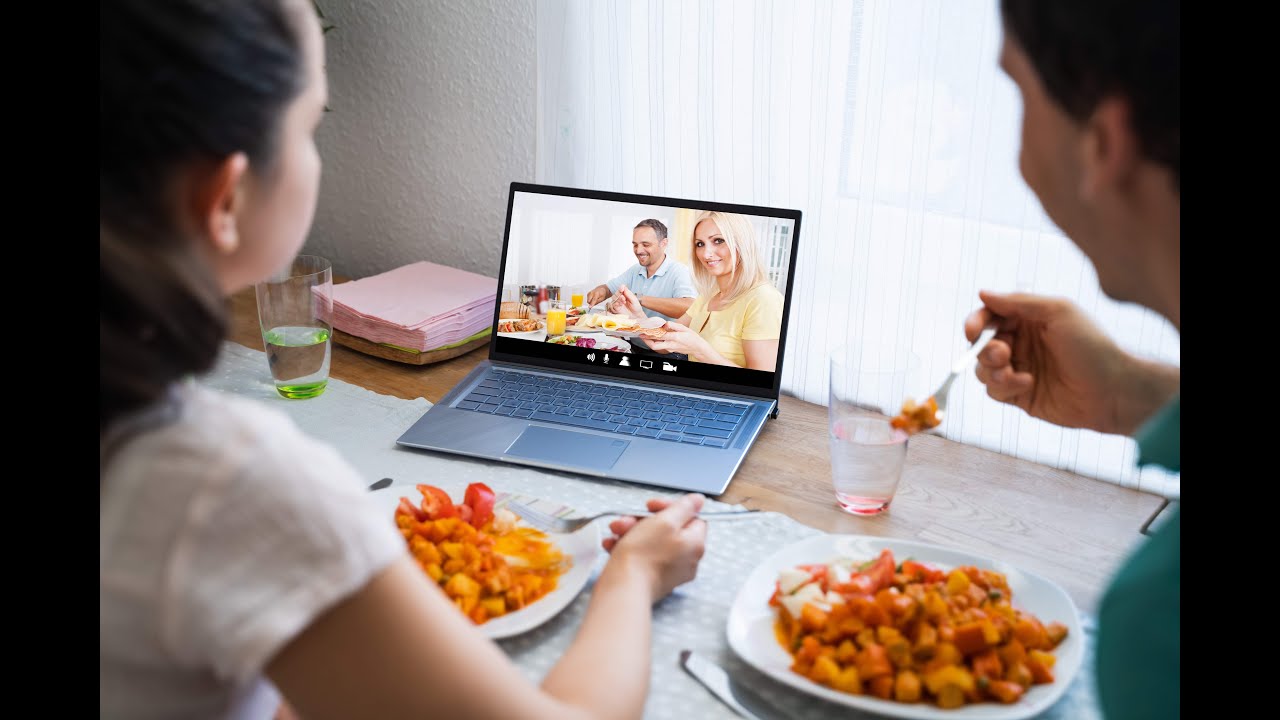
I was going to say, Jeff, it's interesting because I was thinking about our talk today, and I came on that "eat." You know, we'll talk a little bit more about this in depth, but just since you brought it up, let's not forget the skills that we learned during the pandemic. I mean, a lot of us were actually setting up and having meals with people over Zoom, right? I mean, hey, you know, it's noon. I'm going to be eating. You want to like get on Zoom and let's have a meal together? You eat where you are, I eat where I am. Why not still do that, right? I mean, just because the pandemic's over doesn't mean we can't still use some of those skills that were actually effective back then. So anyway, sidebar. Sorry about that.
Oh, beautiful. Love it. I mean, ironically, that's why I brought a drink into the conversation because I was like, hey, might as well model this while we're actually having the conversation here. But let me ask this question. Let's just back up a little bit. BLESS in the physical realm, how are you seeing like churches implement this, apply this? People, individuals, like maybe do you have some stories about how people are utilizing this BLESS framework?
Yeah, absolutely. I mean, you know, obviously in our community, we're using it. And we started talking and teaching and training people in these five practices. Ah, boy, I would say at least ten years ago. The book wasn't actually published until 2021, but it's something that we've seen people put into practice for a number of years now. And I think, you know, what we tried to do, that's what we encourage churches to do, you know, whether it's in person, digital, however you want to talk about it. We encourage you to, you know, let's focus on your leadership first, your staff team, and really help them understand and begin to practice these BLESS rhythms first so you have some stories to tell. And so it was really important for Dave and myself and our staff team to begin to look at our own lives and really begin to put these into play in our own world before we were talking about it and beginning to implement it on a church-wide scale.
And so I mean, like one of the simple practices that I know Dave has and myself too is when I'm journaling in the morning, and I don't journal every day, but you know, pretty good practice of reading Scripture and reflecting and just spending some quiet time with God on a daily basis. I actually have the word BLESS in my journal now. I happen to journal on my laptop, and so I kind of have a setup, sort of a template that I use for my daily journaling for reflecting on Scripture and praying. And in there is the word BLESS, and underneath that is a list of people that, you know, on a regular basis, I'm saying, "Okay, God, you know, give me opportunities to bless these people, whatever that might look like, whether it's, you know, I see them via online or in person throughout the course of my day. Give me an opportunity." Some of those people are folks that live right across the street right here. Others are people that I'm in contact with through other connections, you know, throughout the course of the week. But that's one practice that, you know, anybody can put into place every day. So I'm asking God, "Help me look for opportunities to bless those people." But then also, I know there's going to be sort of impromptu opportunities throughout the course of my day also to bless the people that I come across, you know, whatever that might be. And so I'm also saying, "God, help me also to keep in mind that I'm blessed to be a blessing," and that might be with someone that I don't even know yet. I don't even know who that might be, but give me a chance to have that mindset of being a blessing to whoever it might be.
So yeah, I mean, there's lots of things that we're putting into practice that would be, you know, just one example of what we try to do on a daily basis.
I had no idea the book was written in 2021. Like, I feel like I've known about BLESS for, like, I don't want to say a decade, but it's been a minute, right? Dude, so like this was just like running in the background, and you guys decided to put it on paper pretty much?
I mean, we, like I said, we put into practice in our church for a number of years. And, but it wasn't until January of 2021 when we actually got it published. And, yeah, it's done pretty well. I think people just are longing for something that's simple, memorable, practical, that allows them to do something they feel compelled to do. And then let's face it, a lot of people feel guilty that they're not doing it too, right? And yet so many of the methods, I think approaches that maybe we've been trained in or learned when we were younger, I mean, you know, you probably, I don't know what your growing up was like or your teen years or twenties, but you know, maybe it's Four Spiritual Laws or maybe it was like the Two Diagnostic Questions of Angels and Explosion. I mean, great methods, I think, for an era perhaps. But I think people are looking for something much more relational now that, you know, so much of the focus, I think, in the past was, well, you know, it's about the verbal witness, right? You've got to tell them. That's important. But all right, so often people, they want to see it first. They want to experience it with you first. And that's, you know, why these five practices really are, sort of, I think, the fancy word is epigenetic. They're like there's a flow to them. There's a sequence to them. And story is at the end for a reason because it often takes time to build that credibility, build that relationship to the point where hopefully a person will ask you to tell them your story.
No, this is beautiful. And you're right, I don't know what that word epigenetic means. I'll have to go back to the plate and listen to it again. But I do think that some of the shifts that you're doing here do represent a digital audience well. We find that people, it's better when digital space is better to ask questions than make statements. If you want to have a conversation with someone, you got to let them do the talking first because in listening to them, you actually build that trust. We also find that people often connect to community before they connect to Christ. And this is often a little different than what we see in our physical churches, but in digital space, it's not uncommon, even in the metaverse, it's not uncommon to find atheists or agnostics connected to your church and part of the community. And through the relationships now, getting them connected into Jesus. But they need that relationship. They need that community before they'll even listen. So a lot of these pivots that you're addressing and looking at, my gosh, there's a lot of really intentional things that I think can speak well in digital or metaverse.
Well, let me ask this. Like, you came out with this book, and so maybe got some larger exposure in the middle of it. Still shocked at that. What lessons did you learn in COVID? Like, were there any takeaways? Was there anything that was like, "Hey, that," or "that," like, what did you learn in the COVID season around BLESS? That's a great question.
I think what we learned is, and I think what you're expressing today is that BLESS works in or outside of a pandemic. We actually wrote an article, "BLESS During a Pandemic," and as we walked through these BLESS practices, we started having to ask ourselves, "Okay, are we limited to blessing people only through, you know, physical in-person contact?" And what we discovered was no. And in some ways, the pandemic afforded us additional opportunities, I think, to BLESS in ways that we hadn't otherwise. Certainly, the incredible needs that occurred around us provided lots of ways. You know, if you start walking through these BLESS practices, lots of ways to serve people. But even, you know, "begin with prayer," for example, if you want to start there, I mean, you know, the pandemic didn't stop us from praying, right? I mean, and I think, you know, when Jesus started his earthly ministry, Luke the doctor in his story, it says that he went out to the mountain and he prayed first. And, you know, we see that over and over again. You know, Jesus retreating to praying. And I think, you know, we tend to minimize maybe the value of prayer in evangelism or in reaching people. Man, we tell people all the time, if you're not sure who God is calling you to reach or to bless, like, Jesus, just begin with prayer. You know, prayer is how you can ask God to help you know who to bless, but it's also a way to begin blessing people.
You know, I a while back, somebody said something to me that's really stuck. What they said, they said, "You know, John, there are people around you every day who have never once had someone pray for them." Now, I don't know, Jeff, what it's like for you, but I mean, like, my mom and dad, super committed followers of Jesus, just wonderful people, they both have been praying for me before I even, you know, was alive and continue to, you know, to.
This very day, but there's people around us that have likely never had one person pray for them. And I don't mean, you know, stop them in the middle of the street and pray out loud and raise one hand to the sky. I just mean simply asking God to bless someone that you maybe are sitting across, um, the bus seats from, or someone that passes you by on your street, or maybe it's a neighbor that you happen to catch when they're going through something. You know, we don't have to stop them and lay hands on them in order to pray for them. You can bless anyone. You can bless anyone by praying for them. A neighbor, a coworker, or a friend, and prayer counts. You know, and I always tell you, if you're not sure how to pray for someone, just think of it like the golden rule of prayer. Pray for them, pray for them as you would have them, um, you know, pray for you, right? Um, but again, you don't. In the pandemic, that didn't stop us from praying, and there's certainly plenty of opportunities to pray for folks and bless them in that way, even if we didn't have physical contact.
Well, and in prayer, even to start it off, like there's a little bit of a humility in that. Let me go before God and pray for others. In that now, that puts you in a humble state so you can listen, so you can serve, and so it kind of gets you in that place. By the way, even talking, you know, as a digital missionary, like there were stats that came out. I forget what it was. We'll try to find the link and put it in, but Barna in the COVID season was finding stats that so many people who were called to Christ, there was this huge percentage of people that were open to being prayed for digitally or were open to the idea of prayer happening digitally. And to me, I remember talking about it. It was like one of the biggest misses, I think, of the church in the COVID season, that we really didn't embrace the idea of praying as much, because people were far more receptive to that than consuming product, you know, a church service online, or, you know, other things that the church was trying for that season.
Yeah, I mean, I've always been amazed when, even as some a simple like Facebook post or, um, you know, whatever it might be, Instagram, Twitter, anything where you say, "Hey, I'm going to be praying today. If there's something I could be praying for you about, please let me know." I mean, it's not hard, right? And yet people respond. I mean, they want to be prayed for. Not, I, you know, I honestly can't remember a time when I offered to pray for somebody and they said, "No, no, no, I'm good." You know, usually it's like, you know, they might not have something specific, but I don't think anybody's offended or hurt or put off by me offering to just, "Hey, I just want, you know, I'd love to be praying for you today. Something, something I could mention to God in prayer on your behalf." And even for putting, doing that social media post, "How can I pray for you?" To be honest, some of the most engaging, conversational posts I have on social media is when I post that, "How can I pray for you?" And the thing that I love, even going back to a digital missionary, it's this idea of by doing that. When people, we know this, 80 percent of people, according to Barna, December 2020, digital evangelism report, 80 percent of people that are called to Christ, when they have spiritual questions, they're going to either Google to find the answers to their spiritual questions, or they're going to their friends who they think will have the spiritual answers to their questions. And even something simple like, "How can I pray for you?" Even if no one's responding, the people that are seeing that are recognizing, "Hey, here is a person that is spiritually in tune." And when they have questions, they'll go to that person. And so being able to even put some of these posts out there, engage with people, and just humbling yourself in this situation and allowing God to control, oh my gosh, it's so beautiful, even in digital space. I love this.
Well, one of the studies that Barna had, maybe this is the same one, I don't know where he asked our friends and neighbors what they would value in a person with whom they would talk to about spiritual matters. You heard this before?
No, go for it.
What he found was there were three qualities. And this is not like our Christian neighbors and friends. It's like all of our neighbors and friends. Three qualities came to the surface. Number one, they want someone who will listen without judgment. Shocking, right? They want someone who will allow them to draw their own conclusions, and then they want someone who can speak confidently about their own story. Listen without judgment, draw my own conclusions, speak confidently about their own story. I mean, people are looking for somebody to be a friend, right? I mean, isn't that what we all want? And so, um, again, I think this whole idea of praying for people that comes out of relationship. I mean, Jesus was known as a friend of sinners. He got in trouble for hanging out with the wrong people, right? And you know, I think again we just have to understand it's not our job to convince, coerce, or cajole. It's our job to love people the way Jesus loved people, and then let God do the work of convicting and converting. You know, and I think the best practices just give us a little bit of a platform or a path to do that.
Awesome, so true. Let's pivot and let's swing over to the L, which is going to be listen. Let's describe for me, John, here. Let's set it up. Um, what role does listen play in the idea of bless?
Well, and you've already touched on it, Jeff. I think so many times that this, the importance and significance and opportunity we have digitally to be good listeners. Because if I mean, if people are known for anything online, whether it's, you know, Twitter, Facebook, is it's not about listening. It's about telling and talking and saying, right? And so what a witness we can be if we figured out ways to actually, you know, listen in the digital world. Um, and you know, Christians especially, right? I mean, let's face it, Christians are known much more for talking than listening. And you mentioned this earlier too, that, um, you know, asking questions and listening to people, that was central to Jesus's life and teachings. Um, Martin Copenhaver wrote a book, "Jesus is the Question," and he says that Jesus asked 307 questions and answered only three of them. Now, I haven't gone through all the questions in the Gospels to make sure that's accurate. I assume it is. But he asked 307 questions, answered only three. Like, so ask 100 questions for every one you answer online and see if you don't make some friends. Am I right?
Wow. I had, where was that? Where was the quote from? Martin, you said, was Martin Copenhaver? What was the book?
Martin Copenhaver, C-O-P-E-N-H-A-V-E-R. The book is "Jesus is the Question."
"Jesus is the Question." Yeah, yeah. Jesus is the question. Asked 300 answers. Oh my gosh, I'm shocked. We'll put a link in the show notes. Like, that's incredible. What a ratio. I'd never, I'd never heard that one before. That one's new to me. But now that, that's beautiful to put you almost in the point of being once again being a learner. I want to learn through the situation. Tell me about you and positioning yourself in such a way builds that trust that allows that. I mean, just even thinking about in digital context of these hellholes that have become Facebook and Twitter, if we positioned ourselves with humility, if we position ourselves as a learner within these communities and meeting people, and through that, through the relationship, through listening, point to Jesus. Oh my gosh, so good.
Yeah, well, you know, we've heard it said like, "If you want to be interesting, be interested," right? I mean, it's just true. You know, ask questions. And I mean, we've all been in those situations, I'm sure you have, Jeff, as have I, where you know, you're talking to somebody and you can just tell they're not really listening to you. They're like looking almost past you in the conversation. But on the other hand, you've also been in those situations where, man, somebody was just like, they were dialed in and you felt genuinely listened to. And I think that truly listening may be the kindest and most loving gift you can give someone. And, um, you know, even during the pandemic, you know, I mean, as long as you were socially distanced, you know, you could still talk to people when you were out and about. And if you weren't comfortable leaving your home, then you could use FaceTime or Zoom or, you know, try making a phone call. Remember those? Voice-to-voice phone calls? Yeah. Um, so yeah, listening, man. I just think you got to land there for a little bit. And there's lots of opportunity to listen, and the power of being a good listener. I have so much work to do in that area, man, because I'm always thinking about what I'm going to say next while you're saying what you're saying, right? And what a powerful witness if we can become more like Christ in how we listen. And what a tremendous way to truly bless people. Just underestimate the power of listening to people and how desperate they are for someone to love them in that way, man.
I don't even know if I should like have a follow-up comment after that. She's just, even talking about listening, probably a question, right?
Probably, yeah. Um, but I mean, here is the danger. Digitally, if you surround yourself in an echo chamber, you're not really listening, at least to anybody that's saying anything different than you. And so the danger of these algorithms in Facebook and Twitter is that they give you people that sound like you. And talking to someone who sounds like you doesn't give you the opportunity to listen to people who are different than you. And so there's ways to overcome that. And if we are going to be digital missionaries, I think that we need to be intentional about overcoming the algorithm and intentionally going into Facebook groups, intentionally connecting on hashtags on Twitter, or in Twitter spaces, in whatever their communities are called, and start to engage in areas with people that are outside of the echo chambers that we are in. And once again, if that's infused with prayer, which is where we're supposed to start, the humility that comes with listening to people outside of our echo chamber suddenly becomes a lot more effective. And so thank you. So far we're two for two here on digital missionary. What are we going to say, John? Let's just begin with prayer and listen. Let's just do that, right? I mean, think how much progress we can make.
Um, man, one of the most fascinating things we saw, which I think a lot of churches did, was the power of Alpha, the Alpha course online, particularly during the pandemic. And you've probably heard Nicky Gumbel talk about how prior to COVID, no way, you can't do Alpha online. It's not going to work. You gotta have the face-to-face, gotta have the meal, all that, blah blah. And suddenly the pandemic, they gotta change like everybody else. They're doing these Alpha courses online. And what do you know? People are like coming to Christ. Supernatural stuff's happening. People are praying bold prayers. I mean, just remarkable, remarkable stuff. And whether in person or online, to me, like the secret to Alpha is listen. It's like just getting Christ followers like me and you to just for one time not feel like we have to be the shell answer person, right? And just let people talk, let them work through their faith to the point where they kind of convict them. Well, the Holy Spirit convicts them, right? And yeah, so listening is so important.
Could just talk about that all day, totally. Let's shift gears to number three. All right, so we've got begin with prayer, we've got listen. The E in the conversation is eat together. This will be interesting. Eat together. What do I think? Yeah, like so was and I've often wondered this, like is it, does it, is actual chomping like I would normally make fun of something like this? It's like do we have to actually breathe the same air molecules to be in community? But so but you've got intentionality around eat. Why the intentionality with the eat word, other than it fits well within BLISS?
I think you and I should like go grab a snack from the refrigerator right now and bring it back. You can like this one or does this come out? Maybe the Croy counts? I don't know. Um, yeah, you know, again going back to the life of Christ, I mean he ate all the time with people. It's remarkable when you think about the number of meals that he shared. Um, you know, with folks, tax collectors and sinners, like known for that. But I think just experientially we all know, man, there's something really special about sharing a meal with people that moves almost any relationship past acquaintance towards friendship faster than just anything else you can do.
We've had that experience where yeah, I didn't really know somebody and my wife's like, "Hey, we're gonna go out with the Smiths Friday night." You're like, "Okay," you know, you're maybe excited, maybe not. You go, you have a great time, and they're like your best friends. You know, there's just something about that shared meal that I think really fast tracks relationships. And um, well, I mean Jeff, I would ask you, you know, I mean think about the last time you were asked by someone to join them for a meal. Can you think of it? It was whether it was at their house or at a restaurant? You remember that?
Yeah, well I mean I would even do a one-up. Like there's one, the guy who does my world building for virtual reality, his name's Michael. Used the Venice. He lives uh maybe ninety minutes away from me. And so he's up in Fort Lauderdale, I'm in Miami. He's the metaverse pastor for a church in California, Cornerstone. Yeah, and so uh it was I was on Discord with him the other day and um and I honestly, I mean like I said, we live like an hour and a half away from each other. I haven't seen him in like four months. And uh and he said when we're on Discord, he's like, "Hey, when next time you're up here I want to spend some time with you." And it's just the knee-jerk reaction was, "Dude, I talk to you all the time." But there is something unique in that physical experience, in that sitting down and the sharing. And so I was like, "Hey, you know, there is something to that." I can see some validity behind that.
Yeah, and it was blessed. I mean it was a blessing to you just even asked. You haven't even had your meal yet probably, but the fact that you wanted to. So and again, I think you know, let's not forget some of the digital, our online skills we learned during the pandemic are still useful. And I think again, sharing a meal with somebody over Zoom or whatever platform you might be using, we can still do that, right? Miles apart. And again, it's a way to bless people. Um, I've also heard, I forgot who it was, was it Alan Hirsch or I can't remember, talk about the fact that you know, the beautiful thing about this practice is that you know, we all eat about twenty-one meals every week, right? Three a day, seven days of the week. You know, this is something that you're already doing. You don't have to add anything to your busy schedule in order to bless somebody. Just instead of eating by yourself, ask somebody to join you. And again, I think online, like if you're, I mean we're all working out of the house, right? But you're still going to stop and eat. So call somebody up and say, "Hey, how about noon? Let's just take a break at the same time and share a meal."
So um, yeah, I think sharing a meal, whatever that looks like, is a powerful way to bless the people around you. And uh, again, definitely, again, listen, share a meal, eat together. You know, one of the things that I love about the idea of the eating um is it brings out uh intentionality to not work. Like it's very hard to work while you're eating. Like you know, I mean I guess if you're by yourself and you're chomping on something, but if you've got somebody in front of you, um, like if there is an intentionality while you're eating to, "How are the kids? What's going on? Tell me about your life and backstories." And there's more, there's more relationship centered around that. For me, it's one of the reasons why like you know, I love Starbucks. I actually having good coffee recently. I don't know that I love Starbucks, but Miami only has Starbucks or Cuban bakeries. And so I constantly find myself at Starbucks having a conversation with someone, digging in. And so for me, the idea of that relationship in the physical realm is Starbucks.
I think there's a challenge for us digitally. Can we carve out time to actually have a relationship level conversation digitally? I mean, yeah, we can jump on VR, put on a goggle headset and have a conversation with someone. We can play around video games and connect with people. Like there is plenty of those level conversations. There's plenty of that relationship stuff that's happening. But can we intentionally carve out time? Not you know, setting aside what we're playing with, whatever video game it is, but instead now actually having a conversation? "How's your wife? How are the kids? How's life? Um, what's going on? How's God teaching you? What's God showing you?" Like I think there has to be an intentionality around this that I think really, the idea of eating and blessing, is it's not something that's haphazard. But I think there's intentionality centered around that, especially with digital.
No, I love how you're saying that, Jeff. And I think you know, most of us know too, and there's something about that makes conversation easier or uh more likely to happen when you're drinking or eating. I don't know what it is, you know, but you go to a party, yeah, give me a drink and you're standing around. If you don't have, there's just something about that I think that stimulates conversation in a really unique and powerful way. And you also brought to mind too, you know, if you're thinking about like um doing this digitally, one of the things I think we also learned, you've probably talked about, is that when you're doing this, like right now you're talking to me and talking to me in my context, right? And so you're seeing what's going on behind you or what's not going on. But you have a different feel for like, "Oh, I could kind of see where Ferguson lives." You know, I mean, like interesting. What about that helps you get to know me better? I mean, you've got all these books behind you, right? Am I going, "Man, Jeff must be a scholar. Look at those books back there"?
I used to run a Christian bookstore. In fairness, probably not a scholar, more of a salesman. But that's that's another conversation for another day. It's just the notion that the digital way of connecting also allows us to see people in their context. I mean, you know, you've, we've all seen all the funny videos of the little kids running in when the guy's doing an interview on national TV, you know, that kind of stuff. And it's just there's something endearing about that and also helps us, I think, learn about people in a way we might not otherwise.
Beautiful. All right, so here we are. We've got begin with prayer, we've got listen, we've got eat together. The first S, number four here, is serve. I'm looking forward to this one. Serve. So start to unpack serve for us.
Yeah, sure. Um, yeah, so I mean, again, going back to the look, what we did is looking at the life of Christ. What did he do? How did he bless people? And uh, you know, Matthew ten, Matthew twenty twenty-eight, Jesus said, "The Son of Man did not come to be served but to what, right? To serve." And so you know, I think Jesus modeled this idea that if you'll begin with prayer, eat with people, you'll then discover how you can best serve them. Um, you know, praying and listening and eating together um is like the laying the groundwork for the serving. Um, and it ensures, I think, that the serving is about the person being served and not the person doing the serving. You know, I think a lot of times we'll serve and because we feel better, well that's not bad, but is the serving actually benefiting the person that you're serving?
Um, a simple example, a while back our neighbor had surgery on her leg. And we're not super close to our neighbors, but we're trying to get to know them, trying to bless them, you know, begin with prayer, listen, sharing some food from time to time. But um, she had surgery on her leg. And so my wife, you know, Lisa and I went to the store, put together a simple care package for her and gave it to her. You know, not a big deal, but again it was a way that we could serve her. Um, and you know, that's a person I have a relationship with so much because of our neighbors. We live in an apartment building, so our proximity is close.
Um, you know, a different example, like we've got these neighbors across the street. I hardly know them at all. But the other day my wife said, "Hey, you know that, uh, I just found out that uh he works for the Red Cross." And this was um, and I thought that's kind of cool. He works for Red Cross. And I was um at a bakery down the street and there's this incredible bread that we buy. Just tastes so stinking good. And I go into the bakery and I notice there's two loaves left. And they're just something because I try to keep bless in my mind. But I feel like the Holy Spirit is prompting me, "Don't buy one loaf, buy two." And uh and drop one off to your you know, new acquaintance across the street working for the Red Cross and just thank him for his work. And then like, no, I'm not gonna do that, you know, initially. But then I'm like, well, why not? That's like a that's like a four dollar way to bless somebody. And if somebody did that for me, I'd think like that was like the coolest thing ever, you know? And so I just grabbed an extra loaf, stop by saying, you know, my wife just told me the other day you work for the Red Cross. That's really cool. I just want to say thanks. And I love this bread. If you like it, got it from the bakery around the street. You'll probably like it too. I didn't you know, like try to convert the guy or even mention, you know, anything about church or that I'm a Christian or whatever. It's just you know, looking for those small little opportunities to serve people in practical ways. And I think it's just a powerful way to love them and bless them.
Yeah, you got to listen, right? To be able to know how to serve. On the flip side, you know, in my life uh just recently uh I had COVID. And um one of my online friends who I've never met physically um actually sent me, I forget what service it was, maybe it was Uber Eats or whatever. Yeah, Door Dash. I think it was Door Dash. She Door Dashed me my favorite candy. I mean, literally a guy showed up with a grocery bag uh and here you go, sir. I didn't order anything. And the guy just walks away. And I open it up and my friends who I've never met physically uh sent me Door Dash. Uh, and so I texted him and he's like, "Yeah, you talked, you talked on social media about what your favorite candy was. And here you go." And I'm like, "Dude, thank you." Like I had, I've just blown away at the opportunity that he had had to do something. Now I mean, we had a great relationship even in digital space. But it's that type of opportunity where you know, maybe it's easy to look at John's story and to say...
Yeah, but I'm in another city. I'm in another state. I don't know anything about these people. I think the challenge is how can you listen well enough to people to know them at that point, and then creatively, how can you serve them in such a way?
Yeah, I mean, DoorDash is an option and maybe it's an expensive option, but there are other things you can do. It's a great example. It takes ten seconds, right? So go to Starbucks.com and send somebody a five dollar gift card and you can bless them that way, serve them that way. I mean, I don't know. I'm just I'm blown away. My daughter lives in New York and occasionally, and she's finishing college, and you know, occasionally in the past four years since she's been at school, she'll need a ride or something. I can call up an Uber from Chicago and have it pick her up, you know, in Manhattan, wherever she might be, and make sure she gets a ride home without, you know, even getting up off my chair. So the opportunities to bless now, I mean, serve people in like tangible ways. Yeah, and I love your story, that's getting the candy. Like, that's such a cool little surprise.
Yeah, I mean, and the beauty is, is I was an individual. I wasn't expecting it. You know, I've told this story before, and I don't know that this is served, but it's kind of weird. Like, when you're looking at the wall behind me, I mean, there's maybe a hundred Funko Pops literally on the backdrop behind me. If you're really to count them, I think I'm somewhere in the eighties. A lot of those I didn't buy. As a matter of fact, the first Funko Pops I ever bought or that I ever received, I have no idea where they came from to this day. Someone sent me Funko Pops. I don't know who it was. And it just became a thing where all of a sudden now, like, people are giving me Funko Pops, and some are showing up without names and IDs, and it's like, okay, cool. I'll take the Funko Pops and I'll make a display out of it. That's awesome.
But it's this type of, man, if we really believe that digital is a community and we're really taking advantage of praying and listening for people, serving is a natural step out of it. And so engaging and serving people, I mean, if we really want them to listen to us, we have to serve them. And that's going to build that trust that we want. And what's interesting, just as an aside, this has nothing to do with serving in the building. You know, this doesn't have anything to do with serving in guest services or worship. Like, those things are important, and being part of something like that, a community like that, is good. There's ways to even serve in digital churches. But when we're talking about serving here, it's serving individuals, which I think is so crucial as we're looking at digital missionaries.
Oh yeah, yeah. And you know, if it involves food, like you said there, you pretty much nailed three of the five practices. You listened because you knew what food that person wanted. You're delivering food. Tell me that's not serving you, right? I mean, oh yeah.
All right, hey, well, let's wrap up here. So we've got begin with prayer, listen, eat together. We've got serve, and we've got number five coming in: share stories. So unpack share stories for us.
Yeah, man, yeah. The S is for story. And again, you know, like you said, begin with prayer, listen, eat together, look for tangible ways to serve, and then finally, when people were ready to listen, Jesus would share his story. He would share the gospel, and we can too. You know, I think of when doubting Thomas came to Jesus and asked, "How can we know the way?" And Jesus said, "Hey, I'm the way. I'm the truth. I'm the life. No one comes with a father except through a relationship with me." And you know what we find is that when you befriend and bless people, there's a good chance they're gonna want to know your story. You know, they might ask you what makes you different or why do you do what you do, especially if they've seen a pattern of you blessing them. And then you can tell them, you know, how the love of Jesus has changed your life. And you know, I think kind of walking through this idea: begin with prayer, listen, eat, serve, and then looking for opportunities to tell your story. And I would say too, story needs to kind of go both ways. You want to hear their story, right, as well as have the chance to tell your story.
But I think if we do these sort of tangible, practical, friendly ways of sharing the love of Jesus, then we can move from, like, as we say, a community from hoping people will find their way back to God to actually helping them find their way back to God. Imagine all the work we've done. Imagine the relationship we've built before we even get to the place of sharing Jesus. Like, this is not, you know, casting seed on thorny ground. This is: I have prayed. I have a relationship where I've listened. I have a relationship where I've been intentionally asking questions and even sitting down to eat with them. I have a relationship where I've served them. And now once I've gone through this level, this is where I'm now: "Hey, can I tell you about Jesus?" Like, this is not echo chamber screaming from the rooftops, nor is this posting some really cheesy meme that talks about why Jesus is important in our lives. This is like, I am in community with this person, and through the trust of that person into me and to the community that we have, I'm now sharing Jesus. Like, this is, I think, an important tip.
I'm assuming you guys, this may be the big word I didn't understand earlier, but like, you were very intentional about having this being the last piece, right? Like, it wouldn't make sense to put "share your story" up at, you know, above being with prayer, right?
Right. And yeah, and just through whatever reason it happened to work out that it spells this word. Plus, yeah. But yeah, I mean, it's you want the story to be the last one. Quite honestly, it's not that you're not at times aren't gonna have an opportunity, maybe, to tell your story earlier on. But I think, especially for a lot of us who grew up and it was all about the story, and it was all about, you know, the verbal witness, you got to like tell people. I think this kind of gives all of us: "Hey, relax. You know, build that relationship." You know, and prayer actually counts as part of your missionary activity, right? Listen, share a meal, look for opportunities to serve, and then when the opportunity comes, yeah, tell your story. Ask them to share their story. And it just, it's much, it's so much more natural. And you know, somebody said the other day, they said, "You know, these best practices are like a remedial course on how to be a good friend." I'm like, "Yeah, you know, I think you're pretty much right." Isn't that true? It's like, you know, Jesus was known as a friend of sinners. He befriended them by blessing them, and that's I think what he wants us to do too.
So if we, yeah, I want to see more people doing that. So I don't know if it's digital missionary framework or if it's just a digital friend framework or just friend in general. But man, what a great lineup here. Begin with prayer. We want to listen. We need to eat together. We need to be intimate. We need to serve, position ourselves in a place of serving. And we need to share the story of Christ and share about who Jesus is with these people. Man, I don't know. I think BLESS may make a little sense here to be a digital missionary framework for this.
Jeff, as you continue to explore that and learn more about that, and if you get stories, man, I'd love to hear what people are saying and what they think about how this can work in the metaverse.
Yeah, so here's what we're doing. I'll even transition right off of that. We've got your brother Dave Ferguson jumping in a round table in a conversation centered around BLESS digital missionaries, and that's happening Monday, May 23rd, 9:00 p.m. Eastern. So we'll put links in the show notes towards that. But we're unpacking that even at a deeper level. And we're going to be also, you know, he'll be available for Q&As talking about it. But I really, I believe this: I think that we're gonna build two different, I'll give you some inside scoops. Like, if you've made it this long, if you made it to the podcast, you're like the loyal people, right? So I'll give you a tip right here. We're gonna be rolling out two different frameworks for digital missionaries here, probably closer to the fall through DCN. One of them, I think, is we're gonna adapt Tyler Sansom's approach towards more influencers for people that want to go big. But to be honest, the average person doesn't need to understand how to read the algorithms of YouTube. The average person needs to understand this right here: BLESS. And so I'm excited to continue to work through this and to start to platform this idea and give opportunities for some of these digital planters out there, some of these digital pastors that are looking for tangible ways to start to train their people. Like, what some great processes here with this. And cannot wait to see what our DCN family really starts to do with some of these BLESS practices and ideas.
And so John, thank you for this. This is, to be honest, like, I've been theorizing some of this in my head, but I was really looking forward to this conversation just to start to piece this together. And this has been a great time. So thank you for doing it.
Same here, Jeff. Really fun talking to you about this and love your energy. I mean, your enthusiasm and excitement is contagious, so it's easy to talk to you about it. So thanks so much.
It's great. Awesome. So hey, as we're landing the plane here, any closing thoughts?
No, man. I would just say continue to, you know, when you're reading through the Gospels as you do, just look for these practices. I think anybody would be amazed by how they see them over and over again. It's almost like, you know, when you buy a new vehicle, you know, you get like a Honda, whatever, CRV or Pilot, and all of a sudden it seems like everybody has a CRV or a Pilot. I think when you start looking at the Gospels through this lens, you'll be blown away by how frequently Jesus went about blessing people in these five ways. Just kind of helps remind you that this is not only a good idea, this is actually Jesus's idea. So look for it in Scripture and you'll find it there.
By the way, everybody in Miami drives a Jeep Wrangler. I can officially say that now that I do drive a Jeep Wrangler. But hey, we're gonna land the plane on this. Um, John, next time I'm in Chicago, we got to sit down and actually, like, have a meal. Evidently, because that's what BLESS says.
Let's do it. We got some of the best restaurants anywhere else. You know, there are some good ones. I can attest to that.
But we're gonna wrap. So for John, once again, John, thank you for being on. For John, this is Jeff with the Church Digital, Digital Church Network, and a bunch of other fun stuff. Thanks for jumping on the podcast. Check out the show notes for all the references, and we'll see you soon here on the Church Digital podcast. Y'all have a good day.


