⌕
··
Hey, all right, we got episode 103 of the Church Digital Podcast, once again powered by Stadia Church Planning. Jeff here. I love this conversation. I think this is probably going to be one of my favorite churches because I love how aggressive they are, really without having a lot of resources. I'm talking about Cornerstone Church up in the Pacific Northwest. Jason Polling is the lead pastor there, and so we had this conversation. Jason is the guest here on the show. But let me tell you up front: Jason's the only pastor I know of in the country that's doing ministry in three different phases now.
··
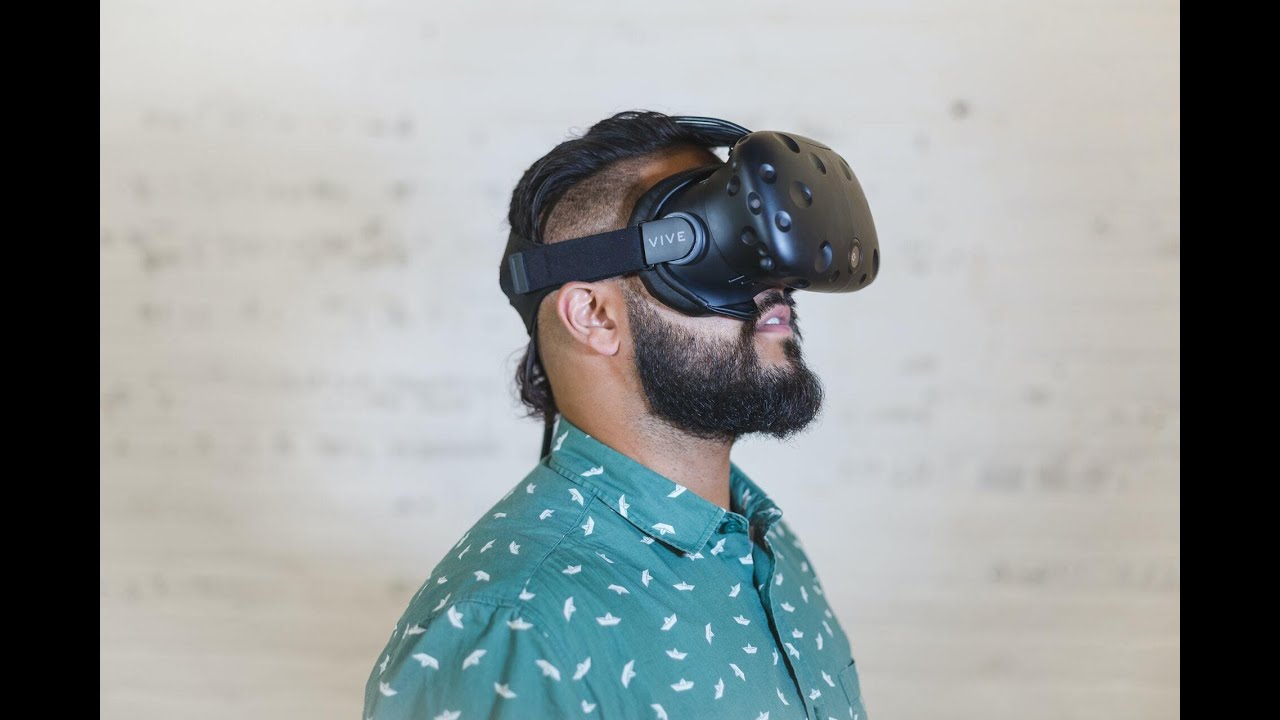
We don't talk about this a lot, but there's obviously the physical space. There's digital space, which is like broadcasting your services online—videos recorded through cameras, broadcasted to web browsers, to mobile apps, you know, that sort of thing. You're using video to do small groups and Zoom and things like that. You know, that's a digital church. It's a physical ministry, a digital church. That's really kind of where those two phases are that are most popular in this season. The third phase is the world of virtual reality, it's the world of avatars. So Jason Polling here, through his small church—Cornerstone, I don't know, three to four hundred people, I think he says here on the podcast—he's not only doing physical ministry to three to four hundred people, not only is he broadcasting his service online through cameras and those techniques, but he's also doing avatar church. He's doing virtual reality church. And it's like the same staff support all three, the same message goes to all three, the same discipleship process goes to all three. He's figured out how to scale his church not only physically, not only digitally, but also virtually in the land of avatars. Like, this is a phenomenal story out of a small church up in the Pacific Northwest. You can see why I love it so much.
··
So hey, why not bring this guy in and have a conversation, see what he's learning in this season when it comes to physical, digital, and also virtual reality multi-site campus? It's phenomenal. So we're bringing in, like I said, Jason Polling, lead pastor from Cornerstone Church, myself Jeff with the Church Digital and Stadia Church Planning, in a conversation that I'm essentially calling the virtual reality multisite campus. Okay, everybody, here you go.
··
Why don't you tell us about yourself? Tell us about Cornerstone, your church. Kind of give us your ministry story.
··
Yeah, so Cornerstone Church is where I'm at in Yuba City, which is north of Sacramento, about forty-five minutes in the valley up there in Northern California. And I've been there for two and a half years about. So I was a pastor over in Eastern Iowa in Cedar Rapids in the Evangelical Free Church of America denomination—small kind of movement. So I was there ten years, and then two and a half years ago came out here, came out west, packed up the bags like the Beverly Hillbillies, and yeah, here I am. And it's been great. I do love it out here aside from the fires and the smoke and all the other crazy stuff in California, but the people are great and the church has been good to me. So we've really enjoyed it out here.
··
So there's like, I don't know, a million Cornerstone churches in America. Like, that just seems to be pretty popular name. You're not affiliated with any of them? There's no denominations, no organizations? You're just kind of like standalone?
··
Standalone. I'm sure they're great organizations, but yeah, we're by ourselves out here in Yuba City. So Cornerstone Church of Yuba City is its own entity, I guess. Yeah.
··
So is it a big church? Is it a small church? And I never want to put numbers on it, but we're gonna talk to kind of calling and vision with where we're going with this conversation with you. I'd love to just get some of the backstory. Like, tell me specifically about the church.
··
Yeah, so when I came out, so it's been a blessing and just all, you know, all of grace from God obviously. COVID is really made the numbers crazy, but when I came, you know, it was a church that was maybe struggling. It was struggling. It's about one hundred fifty members. It had declined from a peak of about five hundred about ten years ago, and it just kind of steadily declined for various reasons. And then so I came in 2018, and it just by God's grace, we just—I've got a great staff. They're amazing because they're very, very, very part-time, as you can imagine, a small church. The budget's not great, and they've just done a great job. And so the church really grew over the past two years, from about one hundred fifty to about a little over three hundred—maybe three hundred thirty was an average attendance on our services on Sunday. And that was about March. And so March hit, and then we closed. We've reopened since. We're probably about fifty percent of physical attendants, and then the rest seem to be online as far as average live viewers of our congregants and people, of course, everywhere else. Who knows? Who knows who we're all drawing in at this point. But it's definitely been a ride, up and down. I mean, to grow and then come back down with the numbers, it's been a little bit interesting. But you know, I think every—most churches that I've been aware of have experienced quite a shift here.
··
Yeah, so you guys are already meeting? That's—we're meeting now. Yeah, so California. Yeah, it's kind of bizarre because you think California is a lot more strict on it, and they are pretty strict, but you're allowed to meet depending on the county. But we're allowed to meet basically outside is what we were supposed to be doing. But then the fires hit, and you couldn't be outside for longer than five minutes without hacking up a lung, so we went back inside. It's been a little bit nebulous on what the actual protocols are supposed to be with all the things that have been happening.
··
Well, California's got—is it MacArthur? Right? That's—oh yeah, yeah, he was. Yeah, difficult out there. So yeah, whole sure, the government's being nebulous right now. So no, with him I think they're a little more on to him, but our area, you know, up in Northern California, it's not—yeah, it's the sheriff and police. They're pretty relaxed about stuff. But down there, yeah, MacArthur picked the fight. That's for sure.
··
Yeah, was a champion of online church from the get-go.
··
Oh yeah, sure, he was. Oh wow. I'm not even touching that. Don't go there. Yeah, don't go totally not there at all. You'll be a part of cancel culture quick, right? They'll cancel the Jeff Reed Show if you get on there.
··
Oh geez, it would not take a lot to cancel Jeffrey. I'm just saying it's not like you even take a lot of work to make it happen. I think a couple key phone calls would get it taken care of, and not that I'm giving ideas to people because that would be the completely wrong thing to do.
··
Hey, so you hit my radar, I maybe like the first month or so. I remember just having a brief, a little bit Zoom, a little bit, and it was this idea of you're doing a—you're a physical lead pastor at a physical church, and you were spinning up a virtual reality church. Like, I think we met like five or six weeks before it launched. May? Yeah, after, right at the real beginning of this. And so I was like, oh, this is intriguing. This guy's doing physical and virtual reality at the same time. And then I'm talking to DJ, and DJ's DJ Soto, lead pastor VR Church, and he just starts singing your praises of all the stuff that's happened. I was like, well man, I want to hear some of these stories. I want to hear what's going on with your church Cornerstone and how it's doing physical ministry and literally virtual reality ministry at the same time in the middle of this COVID season. So what do you got? Tell me some stories.
··
Yeah, it's been an awesome ride. I'm so glad that I got into the digital ministry and VR ministry. I did not know what to expect. The only template I had was really DJ, and I'm really good friends with DJ now, but before I didn't know him from Adam. I just had heard about VR Church, and it just really intrigued me. And I was like, that is so cool. I just jumped on the bandwagon, got a Quest headset from Oculus from Facebook, and then I said to the church, I said, why don't we start a church campus? And people were really on board with it. They were excited. Again, things were going really well, and church was growing. I think people were just excited to see expansion happen and reach more people across the world. So it was really cool too that even the funding—people just were so generous to donate to this specific project. And it doesn't cost, of course, that much money to do it, but it was nice that people were really backing it with their support. They were really excited.
··
So we launched the church. Right, basically we were going to do it earlier, and we just weren't quite ready, and then COVID hit, and we're like, you know what, we're not quite ready. Let's just do it. And we're glad we jumped in at the time that we did. And we're only on the AltspaceVR platform. It's just one of the many VR—it's probably one of the big three, big four of the VR platforms, and that's the only one we're on right now. But it's been great.
··
But there's a lot of overlap. We really from the beginning wanted it to be somehow connected together. We didn't want it to be its own thing separate from Cornerstone, the IRL church in North Sacramento Valley. We wanted to be connected somehow in a community, and we weren't sure exactly how to do that. We've seen—I can talk more about as we go forward—some of the ways in which we've been able to see that vision come to fruition. But we really wanted it to be like a campus, like that you're part—that anybody comes to VR Cornerstone Church, they're a part of the whole Cornerstone family, and we share a lot of things together. And so anyway, that was the real vision: to really draw people in, connect them to Jesus, but also connect them to a larger sort of situation, larger body, larger fellowship that was going on.
··
Did the genesis of this—like, was this you having the forward vision, excitement of virtual reality? You didn't even have a headset? Like, where were there volunteers that were excited, or elder board, somebody like who had the passionate idea to first say, why don't we do a church in virtual reality?
··
Yeah, I'm probably the crazy one at our church, and the congregants that listen to this, they will definitely laugh at that because I get these crazy ideas, out of the box. I just love the idea of, you know, of course I think you're fully on board with this—I'm really sure of that—the mission never changes, but the methods can change, and we just need to adapt and find out how we can reach people for Christ no matter where the situation might be. So I've always been like pushing the envelope with the congregation, and people have resonated with that. And so when I brought it up, the elders were like, sure, and the church was excited. At first, the people that were involved were mostly our teenagers. They were really excited. And now we've got a number of people that actually go to our in-real-life church and volunteer and participate also in the VR church in their different ages. So it's been cool to see the spectrum of diversity there too.
··
So yeah, I was the one that kind of threw it out there. I remember it was, you know what, it was Christmas Eve service was the first time I actually revealed it. And I don't know why I chose Christmas Eve. I think I was just so excited. I just—I think I had just gotten my headset, so I actually used the headset as a prop in my little Christmas Eve devotional, and I don't even remember what I said to—
··
Be honest, you know, no one remembers the sermon after a few days of preaching. I don't even remember, but I do remember using the headset, and of course everyone else remembered that too. So it's kind of bizarre to see me walk around with a headset on stage, but that clicked with people. And I told them the vision, and that's when people really started getting behind it and really were excited. So, you know, posting on social media has helped too so they can see kind of what this is. There's still doubters and skeptics out there, not that many that I hear from the church, but just people that post or respond to my social media. They see the avatars and they're kind of cartoonish on AltSpace, and they're just like, "Is that how? Can you really have church that way? Is that real?" You know, and so there's just some apologetic kind of dialogue that happens on why this is really valid and it works and people are growing. So that's been fun too to kind of see people that are real late adopters, even skeptics, begin to move towards endorsing it and seeing it as a valid tool. So that's been cool.
··
Awesome. What's the thing that makes you unique in this is that you're a mixture of physical and virtual reality. Like DJ's been doing virtual reality for three years and DJ's unique, and there's a handful of other VR planters that are coming out and starting to do this. And not that I'm the expert and that I know all 330,000 evangelical churches in America today, but I don't know of anybody else that's really doing this hybrid of physical as well as being serious about virtual reality. So I'm just curious, like, what is a life of somebody in a physical church? What does that look like compared to like a virtual reality church? Where is it similar? Where is it different? Is virtual reality a fully functioning church? Like, what tell me about kind of the comparison of the physical for you, the comparison of physical and virtual?
··
Yeah, so I mean the basic elements of Christian discipleship, I think, are similar across the board, you know, no matter what the platform is. So I think that's because you can still have really engaging discussions and teachings and one-on-one sort of accountability relationships and conversations about deep things. So discipleship can happen in real life, and sometimes I've found even more intensely in VR. People tend to be a little bit more open about the real stuff going on inside of them. So that's been kind of neat to see the benefit and beauty of digital ministry in that regard. But so those basic discipleship elements are pretty similar. It is still a challenge. I mean, VR, you know, because it's so new in digital ministry, you know, I guess we're all sort of writing the book on it. We're still trying to figure out how does this work. And so, you know, getting people connected in a deep and robust way individually, you have these really deep conversations, but getting them connected in a group is still a challenge. I think VR—I think VR church, and DJ does a great job—they have a prayer world after their services, and I've been to that and it seems like people are really bonding. That's been pretty cool. Pastor Brock, I don't know if you ever talked to him, he's a great pastor in Michigan. He's got a great Discord server. They interact a lot. Jate Aart, he does a great job with forming. So I think there's guys out there that are really starting to form community. In terms of like the hybrid model, the way I've been trying to do it, and we're by no means perfect at it, we're still, you know, building the plane in midair, but you know, we've had of course people from our congregation come into the VR campus. And so there's some overlap there, and people can, as they just dialogue and have conversations, I hear them, you know, sharing things that sort of bring the two worlds together. Our there's been a handful of our VR campus folks who just go to VR, actually have been involved in our live stream for our in real life. So they're watching that, they'll engage, comment, even help out, so helping out in dialoguing with people on the comment feed. So that's been cool. Our Discord channel, you know, I'd like to see that become even more vibrant, but it's, you know, it's about a hundred people on there. It's decent. And there's both people from the VR campus on there and people from the in real life interacting. So that helps.
··
We did something. Here's, I mean, some other ideas. We did this thing called Love Yuba Saturday. So I'm in the counties where we're situated, Yuba County and Sutter County, California, and so we go out and we take the Sunday off from church. And there's other churches in America who have done this before and go out and just serve the community. So we thought, well, how are we going to do that with our VR church? Because we basically do the same service essentially as we do, you know, in both campuses. And so I just said, "Hey guys, we're going to take the day off. You guys can come into the VR church and pray for those that are serving in Northern California. I'd also, it'd be great if you guys could go out and serve in your local cities and then tell us about it." So that's cool to see the in real life campus doing something, but the VR campus praying for them, doing their own ministry for Christ in their local cities. So that kind of brought us together a little bit. You know, giving, we, you know, we talk, we always are talking about each other. So at the VR campus, I'm talking about the in real life and stuff that's happened and that they're praying for you. And the same thing, vice versa. In fact, at our business meeting, our annual business meeting for in real life church, we're really the whole church, but it'll be in November, and we're going to have some video testimonies of folks in the VR campus who are going to just talk about how they've grown in Christ and how they've been blessed by the church and really thanking the in real life people for contributing and doing the work and thanking them for their prayers. So that kind of will have some overlap. Just trying, and whenever we talk, we just constantly talking about each other. We don't keep it separate. And I think there's some progress in some real connections, but it is still there's still a gap there.
··
One of the things I'm hoping for is maybe with augmented reality advances in the future, there might be a way to kind of really bring the two together in real time, even where you, I don't know, I mean envision, I was talking with DJ and Pastor Brock and Jate a while back, you know, if you could come into your church service in real life and but yet you, I don't know if there's, you know, if the technology was cheap enough or maybe you could see an image, maybe not everybody can have glasses, but maybe there's something on a screen somewhere that shows avatars, you know, sitting next to you. And then of course the avatars, maybe they'd have a screen in their facility. They could see the in real life church, and they're all worshiping together. That would be, that would be pretty cool. I mean, that tech already exists, right? I feel like I just think it does.
··
Well, the NBA is doing that right now, right? And I was actually wondering how that kind of environment might play into the local church one day. And I think that's kind of a cool way. You know, you have the NBA's got the whole thing where they got virtual fans on screen, people who are watching from their devices or whatever else, but they're in tune with the game and watching. But if you can have that, like it's funny, my dad and I were, as he was like, "Oh, because he's very old school, he's like, 'Right, do you think, do you think it's a good thing?'" I said, "Dad, I think that's a great thing. I think the NBA needs to keep that, yeah, and adapt that in, you know, to whatever comes next post-COVID in terms of coming back in, because now you're giving young audiences who could never afford a ticket an opportunity to be front row, you know, for a game, even though it's virtual." And then the same way with church, I could absolutely see that working out, Jason, where, yeah, you've got, I don't know, like an LED screen on your wall back there that's just avatars, but they're there raising their hands up.
··
Yeah, yeah. I was watching a basketball, one of the Premier League, and they beamed Isaiah Thomas, who was in Atlanta, like into the bubble as a hologram, and he's interviewing, I don't remember what coach it was or what player it was. I just remember Isaiah Thomas. And so, but like, they're figuring out how to do this with the technology and 5G, and like, it's the future is crazy. Which is why when we're talking about redefining community even in the virtual reality stuff like that, it's like people aren't comfortable with that. It's like we got to get comfortable. The pendulum is shifting more and more this way. This isn't the thing that you fight. This is the thing that you work through.
··
But hey, Ray, I know you had some questions. What are you thinking?
··
Jason, just a couple things you had said that I want to make sure and ask. So you talked about how folks in in real life, right, IRL, how they're starting to engage more with the folks online. Were folks so captivated by the vision that you cast that they were like, "Man, I got to go get a headset," like immediately, and then they went out and went and got some? Because I'm picturing folks in church, and that's not where they're at initially, to go out and just go drop on a three-hundred-dollar headset because they're so captivated by vision, man. Tell me about that.
··
Well, most of course did not go out and buy a headset. So that, I don't want to overstate it, but there were, we've had, I think there's probably, and it's a small, I mean our church, our campus, our VR campus is probably only in the average of about thirty people. So it's a small campus, which is still great. But so, you know, there's only been about maybe I would think six, seven from the in real life that have participated in some fashion and went out, you know, got headsets. So that was cool.
··
Yeah, so I guess they were captivated by the interfacing between, you know, the technological advancements and the mission of Christ and see how we could reach more people. I think people are super excited when we share that we've had people from all over the world come in. Now they haven't all stayed, but most of the time people come in and they sit and participate, you know, in the whole service, which I'm always, I'm always stunned by. You'd think that they would be bored and they would pop in, pop out, because it's so easy to just jump around in VR. They sit there and they receive the whole message. And when I tell people that in our church, like, yeah, people are hearing the gospel, and there a lot of them are not Christians. We've had a ton of conversations with a lot of unbelievers because they feel comfortable coming into a VR church where they probably would maybe never come into a brick and mortar church. So it's been awesome for permission.
··
Yeah, we discussed that with DJ, the concept of avatar as like creating a safe space for spiritual conversations. Do you have any examples of, man, we really like took it to the next level with this person? Obviously you don't have to give a name away or anything like that.
··
Yeah, well, I mean, so what the coolest thing that happens is when they, you know, connect. I mean, we've had a lot of conversations like after the church. In fact, a few weeks ago, an atheist who had met before at one of our Bible studies on VR, after the church service he wanted to talk to me. So we had an hour-long conversation, you know, about deep stuff. I mean, he obviously has got a lot of questions as an atheist. So stuff like that's happened. But one of the coolest things is...
··
When people have started to come and then we connect on Discord, I've got a person that over the six months now that I've been doing the church, we've been having an ongoing—I mean, I look back and there's like thousands of messages about where they're going with their faith. They're trying to figure out, do they really believe in Christ? And they're asking a lot of good apologetic questions. So stuff like that, that's really exciting to me. That really gets me up out of bed in the morning. And I think that's what's exciting to the church here because we're trying to reach people, but it seems harder and harder to do it in the physical spaces of life. You know, it's a different era. People don't sit on their porches and talk anymore, right? They close their garage after work and they go and watch Netflix. It's just harder to get connected with your neighbors. But on VR and digital, it's like it's just amazing how easy it is. And so I think people really like that. Yeah, there's a lot of excitement in that regard.
··
What do you think is the biggest challenge of translating the IRL campus to the VR campus? I mean, explaining to the folks, maybe it's in strategy, maybe it's in development of mission, but what's something that you're like, "Man, we do this in IRL, I am still struggling with how to do this in VR?"
··
Yeah, so you know, some of the key elements historically in our ancient faith, right, of community is communion, baptism. You know, church. And some would argue—and people don't like to hear this term anymore—but church discipline, right? I mean, and all that means is a loving way to help shepherd the flock so they don't fall off the deep end and get eaten by wolves, right? So you're trying to kind of help shepherd people. Those are areas that I think are still a little bit challenging. Church discipline's been challenging to do even in real life, but communion and baptism—I haven't figured that out. Although this designer who's helping us with this new world, he thinks he can design all these, you know, loaves of bread and communion cups. And I think I never would have thought doing that before until livestream happened with our in-real-life folks and we were celebrating communion. I said, "Go to your fridge, get some, get a cracker, and let's do this together." And I never had thought about doing that before. And so now that everybody seems okay with that, like, "Well, shoot, let's do that on VR." And so then you can have that bond of communion together. Baptism, DJ's already done baptisms, and I'm of the—I know different traditions have different views on this—but I think that's legit. I think that's a real expression of a testimony, of a witness before others of their faith in Christ. But I know my other friends who have different views on that feel like, "Man, you can't do a virtual baptism." That's, you know, virtual communion. For some, if they have different views on communion, that would be hard. But for us, we're a little more open on those things. But those bond the community together. But I think we're still struggling to see some of those ancient elements of fellowship and community together happening in VR. So that's where we're challenged.
··
I could see how that would be the case across the board with all sacraments, right? Like, and especially as we talk about specifically within church, like doing a VR wedding. You know, I know that once upon a time, right, like Zoom weddings and this kind of thing were thought of as unheard of, and yet here we are in the midst of—well, I guess this is the only way we've got.
··
Yeah, yeah. VR weddings. I hadn't thought about that. That would be interesting.
··
Now a VR funeral—that's where I draw the line. That's where you draw the line?
··
Yeah, that's too much. That's too much.
··
It's too much. You actually have to be near the body in order to do the funeral. You have to breathe the same air molecules that are within the body for the funeral.
··
I'm making fun of all the other sacraments. I think somewhere, yes, something like that. Yeah, it's got to be in there. This got charged. I'm afraid in the area of deepfakes and all that stuff. We're resurrections?
··
Oh, no, man. That's gonna be some scary stuff.
··
All right, man, you took us places I didn't even want to go. That's—I had to. Hey, so tell me, like, is it similar demographics? Like, are you reaching the same type of person? Is it youth people in virtual reality? How far does it spread? Like, what are you seeing? Like, who are your ones? Who are you reaching and engaging virtually as opposed to physically?
··
Yeah, I've only seen one U.S. city person in there. So mostly it's folks just throughout the world, mostly people in North America. We got Canadians and United States citizens there. And I don't know if that's, you know, the timeframe we're at. AltSpace isn't probably the most popular platform at this point. Probably VRChat. I don't know, Ray, you probably know. VRChat's probably the biggest, although it's had some issues lately. But anyway, as far as age range, that's been pretty diverse. AltSpace, you know, most of the players—like VRChat is probably mostly Millennials and younger. AltSpace, you've got really the spectrum. And maybe, you know, it's kind of like AltSpace is the Facebook and VRChat's kind of like the Snapchat or Instagram. So AltSpace is not quite as cool. But there's still a lot of younger people that come in there. So but it's neat because I've got a guy who's in there—I think he was in his 70s—and then I've got, you know, some teenagers that come in, and then all in between. So different, you know, different backgrounds, different races, different, you know, in some different countries. We got a guy that comes regularly from Estonia, you know, in Eastern Europe. And that's like one in the morning, I think, or midnight, that he comes to our church service. And he comes pretty much every week. And he's still not a believer. He's just processing through the faith. So that's been cool. Yeah, so it's pretty diverse, I think. Yeah, more so than our in-real-life church, just because of the nature of, you know, where we live.
··
That's the takeaway statement right there.
··
Yeah, it's more diverse digitally because your physical isn't as diverse.
··
Fascinating. Yeah, do you see—like DJ reports 80 to 85% lostness attending VR churches. You know, are you seeing that extreme level of people who are unsaved kind of checking out a service to get a feel or checking out church? Like, do you see that, or is it a little more tamer?
··
Yeah, no, I don't know. I've never actually thought through exactly percentages. I mean, there do seem to be folks. We have a Q&A at the end, and they can just ask any questions. So some of them sound like they're asking pretty robust questions. Like, they've got to have some connectivity to the church at some level. But I think what I'm seeing—probably, even though there are a number of completely lost folks that have never experienced church—a lot of the folks are dechurched. That's what I would probably say. There's more dechurched because even calling it church—that was strategic as well. Not only be, you know, philosophically, I do think it's a part of the church. I don't think it's just a separate para-church ministry. But also calling it church—church is strategic from a marketing perspective, right? People know generally what church is. They may not like church, but they're drawn to that, right? A church online, and I can jump in, jump out, no harm, no foul. And so I do think that dechurched people tend towards, you know, our churches, you know, probably DJ's mind. So you could consider them unbelievers, I suppose. So that would be lost. It would go into his percentage. So yeah, I would agree with him there. That 85% are dechurched or lost or completely never connected to the church.
··
Well, even if that's an arguable statement, these are people that are not coming back to the building, right? Because ultimately, you're tapping into the people through this virtual reality that aren't setting foot in the physical space, correct?
··
Whether it's dechurched or they just don't feel comfortable coming in and having, yeah, questions and kind of having this level of conversation that doesn't exist. And so, you know, I love some of the outfacing and the evangelism transparent opportunities that you guys are getting in virtual reality like this. It's real. It really is. I mean, it's been a highlight in a really terrible year. It's been the highlight. It's a great thing. So I'm glad we got into it.
··
Tell me more about this diverse community. I mean, you've got somebody from Estonia coming in. I can only imagine, just because, you know, the world has opened up, but it also feels super niche to a degree because not everybody's on the VR train yet, right? Like, this is still somewhat cutting-edge technology in the sense of not everybody's ready to go buy an Oculus or this kind of thing. So talk a little bit more about that as far as how that's been interacting with people and connecting with them.
··
Yeah, I mean, they definitely—because it's a niche kind of situation, you know, you can get, you can start, you can really get into a conversation with any of them if you talk about technology or talk about Oculus or you talk about what headset do you have. I mean, sometimes they might be a little bit gun shy about talking about other topics, maybe even religious topics. But boy, you start talking about technology, man, you could be on—you could talk with these guys for hours. So that is cool. And that makes this—all these VR communities are already bonded, no matter what their belief about God is. They're bonded around the technology. So that's an entry level or entryway into conversation too, evangelistically. So that's kind of neat. Yeah, I think it still is pretty small percentage-wise in terms of the overall population of the world, how many people are connected to it. But I really think, even though VR kind of bumped up—what was it, back in 2017, 2016? I think I can't remember when Facebook really went for it and it looked like it was gonna go off the rails, you know, and then it sort of diminished. But I think with the Oculus 2 coming out and as the price point goes down, they disconnect. They're trying to keep it away from a lot of wired to the PC, you know, even though that's a better experience. Most people are not gamers and they don't have all that equipment. So if you get them a $200, $300—which is still high—but I think it's going to still take off. I think you're going to see VR continue to expand. And I think most then more people will come into VR churches. So I think churches—I think churches, I don't want to be—I guess I'm a preacher—but I don't want to preach it to all the pastors out there and make them feel bad. You know, this is a total freedom. If they want to do it, great. If they don't, that's fine. But I do think that this is the time to get involved with it. I think it's just going to blow open in the next five to ten years. And I think churches really should get involved with it. There's just so much opportunity.
··
So I don't know if you ever watched Pastor Brock's Twitches, uh, Twitch feeds where he goes into VRChat and just has conversations evangelistically. If you haven't, it's one of my favorite things to watch. I subscribe to it.
··
him because I love it and I can't remember his, I can't remember his Twitch. I think it's twitch.tv/PastorBrockVR, but he just, it's amazing the conversations that he's able to get into because people are open to talking about deep things and the evangelical, it's just I've not seen anything like it in our culture in real life. Now you'd be lucky if you go out in the streets of wherever you live to have one pretty decent conversation about Christ, but in VR it's like every time he gets on it's amazing. The questions these folks are asking, and anyway, so I think that churches just need to say, "See that, that is real. Like there is a huge mission field and it's only gonna get bigger."
··
Were you, because you're talking about lead pastors needing to get into this area, pastors need to understand. Yeah, in this COVID season I've had two pastors say to me, "We want to launch a virtual reality campus." So the idea is even spreading through Andia. We're helping them figure it out. Here's what I want to know: like, were you, so you didn't own a VR headset you said that earlier. Yeah. Were you in this culture like the Discord, the Twitch, like was this native to you or you just dove into this in COVID, learned it, and planted a church in these communities?
··
Well, I've always enjoyed technology and I, I guess I'm a little bit geeky. I guess that's, it's cool not to be a nerd right? So I've always been that angled that way. But no, I've not been, not been that at all connected to any of those types of environments like Discord. Jade is like a master at Discord and online. No, I'm completely not. And so it was literally reading, I think I read about DJ and I think Christianity Today, and I was like, "That's amazing, what a cool thing." And I just started looking online, you know, doing what you do, Google, and seeing what's out there. And I thought, "I'm just gonna do it, bite the bullet, get a headset and jump in." I think my first experience was in VR Church. I visited there and I was blown away. I was like, "This is the most amazing church service ever, so cool." And then from there I just went hog wild with it, you know? So yeah, I didn't have any, so yeah, for those pastors out there that feel like, "Man, you know, these guys are way beyond me and I just don't have the know-how," it really is not complicated. It's just not. And it is, I will say it is, there are some elements that you know I've been challenged by, but I, you know, most pastors are gonna have somebody on staff or maybe a volunteer. I've been blessed. We've got a director of operations that she basically does all that stuff for me now at both campuses, you know, live stream, all the AltSpace stuff. So I'm blessed right now. But that wasn't the case when I first started. So those pastors that feel like they don't have that person, still jump in, and then as you get into it you'll find somebody. There'll be somebody that's inspired by the vision that has some techy skills and they can set up your PowerPoint slides on AltSpace because that's the stuff where I'm like, "I don't want to deal with that." But yeah, your operations director handles everything from the physical building to broadcast to AltSpace. She's pretty amazing. She just has the ability to just navigate all, and the social media for both and Discord community connections. She does all that stuff.
··
Wow. So I've, and that's been recent because I didn't have her at the very beginning. So we hired her four months, I don't, three months ago, and it's been like, "Yes, yes, that's been awesome." So I'm not gonna ask her name because if other people heard it she'd have job offers. We can't let her get, yeah, her resume out there. Not gonna do that. With much respect, go to the website, you can probably figure it out on your own. But no, that's incredible. You don't like that, that's almost like the unicorn. You don't find people with those giftings easy. So well done with that.
··
I even wanted to build on it a little bit and start to talk about maybe like volunteers. Like you mentioned some of the physical volunteers or starting to serve in virtual reality. What does that look like? Was it difficult to kind of cast that vision? Were there people that had understanding of the culture or are you having to train on VR culture at the same time? Like, what is the volunteer onboarding and what does some of those processes look like?
··
Yeah, so one case in point, a guy who is in, I think he's in his fifties, maybe high fifties, low sixties, and but he just has a great heart for ministry, loves to teach the word of God, loves people, but no, no tech. I mean, nothing technological. And but he just really caught that vision of the opportunities to reach people and to minister to them. And so he went out and got an Oculus Go because that was the cheapest one. And I think they discontinued that one now. But he got the Go and he jumped in. I don't know, five months ago, four months ago. And he does, he helps lead the Bible study on Wednesday nights. He'll go, he'll get up and do prayer on the service or announce. We got a number of people that do that. So yeah. And then there were some teenagers that were like super native to all of this and they were, that was easy. But it's neat to see guys like that who just really love people and want to see them know Jesus and the hope of Christ. And he's like, "I could put up two hundred bucks for a Go and jump in." And again, AltSpace, it makes it, you know, these platforms for the most part they make it pretty easy for people to, you know, there's a little bit of a learning curve, but you know, you give it a half hour, it's just not that complicated. You just hang out with people and talk to them. I mean, it's not so, that's that's a pretty cool story about somebody that had like zero, like he's in his low sixties, yeah, nothing technological about him, but he's in it, he does it every week.
··
So is your typical corner stoner, is it more of the sixties guy or is it more of the twenty-something that's in that culture that's being the missionary?
··
So we're actually pretty evenly splitting now. It was at the beginning it was mostly probably fifties and above. And now we've got quite a lot of young people and young families and some millennials. So it's kind of grown over time. But yeah, so I guess that's why the diversity is there in our volunteer base. You know, we've got, you know, director of operations, she's in her, you know, low thirties, but then we've got like I said volunteers that are in their sixties. Now, is all of this plus church online? Or is this your church online? Like, is VR it?
··
No, we do church online. So we do live stream and we have other video content that we put out, stuff like that. But it's all, yeah, that's a lot because I know we've been focusing on this particular thing, but that's a lot because that's running three sites now. Like in terms of multi-site church, and it's a church of three hundred people. I mean, this is like, like the resources that you're pouring into this, even just time equity, yeah, is phenomenal. So I mean, I don't know if that's forward vision, just seeing the road ahead and pivoting that way, but like, just yeah, it hasn't, I guess it hasn't felt, uh, I think because I just do the exact same sermon. So you know, it's just like opening another church service, you know, like a lot of pastors, they might say, "Hey, I want to go from one to two services, two to three services." That's all we did. And but you know, there is some equity time and some money, but yeah, it hasn't been that overbearing. And I think because of the, when you see the fruit right, and you see the excitement of the mission being accomplished, it just gives you this, this energy, right? This supernatural energy. I think that's what's happening is that people are just excited and so they want to give their time and their money to that. So I think that's what's kept it sustained is that it really is, it, people really are connecting with Christ. So pretty exciting.
··
That's great. When, when, when you first, so you, you read this, I just, I want to come back to this because I love the fact that you've birthed this, you know, relatively quickly out of the COVID season here. You read this article in Christianity Today, DJ Stotto, yeah. How long between that point and you actually launched a service?
··
It probably was at least eight months. Okay, yeah. I think it was in the summer of 2019 that I read that. And I remember, tell, I remember reading it, I was eating a snack at the dinner table there and reading this article. And I think instantly I said something to my wife, who was in the kitchen there, or somewhere, I can't remember where she was. And I said, "I said this pastor, he's baptizing people in virtual reality." And I just, you know, I was just like, "This is," and we had a long talk about that's so crazy and revolutionary and what's that mean and how does that work? And so that conversation, it just led to a bunch of conversations with her and so many other people, people in the church, about just the viability and the and the should this be done? Should this be, is this something God wants? And I think enough people just got, as I told people, they were just like, "Yeah." And so it just kind of took fire from there, leading to the Christmas Eve service and the headset. And then people were excited. So I think we had, and I mean, we're small, we're a small time situation here. We're not, you're not talking to Andy Stanley. So our church is small. But I think we had five people donated about five thousand dollars right there at that end of that Christmas season in January towards this effort. And then the elders, since they've seen that what's been done, the elders are like, "Let's put more money to this and more money to digital." Where before, you know, digital was like, "I don't even think we even had any money. I don't think we had any money associated with it. I don't know what we were doing. We weren't even doing live stream until all this happened." Isn't that crazy?
··
Yeah, it's funny because it doesn't seem that crazy because people, you know, we talk about this in terms of pastoral leadership, but people really do want to give to vision, right? Like they really do want to give towards seeing their kids or their grandkids reach. And so when they see guys like you, Jason, taking steps forward in that direction, bold steps, they may think, "Man, I don't care what it costs, man. That's gonna reach my kids. That's gonna reach my grandkids. That's gonna reach the next generation." Yeah, I'll sacrifice. I'll give whatever it takes to that. It's been cool. We even started, Jay started this thing called God and Gaming. And again, one of those situations, I'm not, you know, there's nothing new under the sun, so I just beg, borrow, steal. So I said, "Jay, that is a great idea." So we started our what we call GG, good God gaming. So we actually started that. And again, people are people, especially in certain age groups, are a little bit like, "That's weird. Is that even, is that even like biblically, you know, can God bless you playing video games and doing a Bible study?" But at the same time they're like, "I want to see my kids reached. You know, I want to see, I want to see the next generation reach for Christ." And so people have been excited about it. So we started, we're doing one right now. We're gonna start a second one. And these are things I never, ever, ever, ever would have thought of a year ago. I mean, oh yeah, this is not how I was trained like in seminary. Well, growing up in nineties Christian cancel culture where they were telling us to throw away Mortal Kombat, now they're like, "No, man, go reach those kids."
··
With Mortal Kombat, crazy man. Yeah, I was having this conversation the other day like through Stadia. We're doing digital-only church planters, and some of these digital-only church planters want to plant an MMO like in different platforms and things like this. And so I was having a conversation with Stadia about this, and DJ was in the room, and we're talking about like the viability of planting churches in games like Final Fantasy 14 or 15, whatever the version they're up to. And DJ just has the throwaway stat: yeah, there's like 20 million people that are they're still engaged regularly in this Final Fantasy 14 platform. And the guy that was with the Stadia, like he gets white. He says, "You're telling me there are 20 million people that engage just in that one? Just in that one game, 20 million people?" And he's like, "Jeff, we're doing this big movement with Stadia to plant churches in prisons because we found the stat that there's 2 million people here in the US in the penal system, and they need to get some sort of a church. So we're helping plant churches in prisons. But now you're telling me there's 20 million that play in just one of like multiple platforms?" It's crazy. It is crazy. And the opportunities for us to like engage and to create a church in those communities—oh, like to me that's exciting. Like virtual reality is scratching the surface, yeah, really what the future can hold for us. That is so awesome.
··
And you know, the 20 million, I can, you know, just guessing, I would say the majority of those have no connection to the church. I mean, I play Valorant a lot. That's actually one of the GG studies that we do. We do it in Valorant, which is kind of interesting because we're shooting people and talking about grace and stuff, you know? Have mercy, no mercy. But these guys that are on there that I never—and I think several of them are from IRL folks—so I think the majority, because it's a small group, but I have never heard them talk hardly ever about Bible study. I mean, this has drawn them out. Like they're doing something they love and they're talking about God and learning. But anyway, on Valorant, you know, there's such a huge community, just like I mean probably not as big as Final Fantasy, but you just see the gamer interaction, and it's not great, right? Like these folks are seemingly clearly lost. So I think the opportunity is enormous. Like it's really untapped. All the gamer culture, it really is the mission field. It is the modern-day mission field. That's where most of the younger generations are hanging out.
··
I so, I what you said, man, that I did not know—20 million on Final Fantasy? That's crazy. That to me gets back to the conversation of Avatar in terms of who is the real you, right? Like because Christians in these environments act differently too. And so they've even got to learn, and we're probably as pastors going to have to lead our people towards establishing not a new ethic but that same ethic in these environments, yeah, to make sure that there's integrity across the board, right? Like who you are in digital spaces, whether you're gaming, whether you're in virtual reality, whatever else, has to be the same Christian that you're living IRL, in real life, right? And so that has to carry over. And then why not grab people spiritually that you're connecting with over there and bring them over to Christ? I mean, that's massive. That's awesome.
··
That's a good point about the ethic that we have to understand because I think there's, you know, wrongly or rightly, we have this under, you know, the sacred-secular divide, right? And I think some of that's okay, but I do think that maybe has created some of this dilemma where we don't know how to enter into other spheres as a Christian, and we just—it just we haven't. I don't think we've equipped people to know how to actually be in the world and experience the secular. All that is all reality in a sacred way. And so what we've done is we've separated the two out, and history of the church bears that out, right? We've—this is your sacred spot. Come and do the holy stuff here, only here. Here's the secular. Don't mix the two together. That's really the loud message, whether we intended to send that message or not, we sent that message. So that's why there's people—you can't play Final Fantasy and speak about Jesus. And reality is we have to figure out this ethic where we bring Jesus into all those spaces. I think that's what's so cool about the digital revolution here happening in the church. I think it's creating more robust disciples that are through and through living out their Christian existence in all spheres. I think that's huge.
··
Well, it's certainly a fascinating opportunity to revisit the idea of calling, to create a disciple maker to the place. It's funny—I just got an email from the girl that wants to plant an MMO asking a question on something. Let as we're doing the podcast, so like she literally has a calling to plant a church in her guild in the game that she plays. It's not Final Fantasy. It's another one—Black something online. For the life of me, I can't think of it right now. Anyway, sorry.
··
Yeah, I should know. I don't know. I don't keep up with the MMO culture as much as I should. I'm learning, dude. I'm 43. I try to keep up as much as I can. But she has a calling to do this. And so now we have like organizations like Stadia or even like people like DJ coming along and saying, "Hey, let us help you plant this church and do this." Yeah, shoot, even five years ago, like this was crazy. I start to hear the horror stories of some of these planters who, like DJ Stoto, like Angela Craig, who were planting these churches digital-only without a physical footprint, and like just being told no and ridiculed and mocked and no support, and denominations like not returning phone calls. And yeah, like it was this crazy world. And what's fascinating is now, as a result of COVID, I think people have a lot more future vision than they did pre-COVID, where some of these things aren't necessarily as radical. And even, I mean, shoot, Jason, even your story alone here, where over the span of eight or nine months you went from "I can't even spell VR" to "Hey, I'm getting ready to launch a VR church that's tied in to the mission and vision of our church with centralized support with funding coming from the physical campus, the virtual"—like that's a very quick time turnaround for you to have an effective ministry virtually. I can't believe you're doing, you know, broadcast digital church, online ministry as well. So you're really attacking like on three different spheres: the Avatar, the church online as well as the physical now with your building in Yuba. Like this is just a phenomenal church ministry that you've developed on these three fronts.
··
Oh, you're wearing me out now thinking about it, man. I guess we are doing all those things. I'm starting to—I'm worrying out for you. No, I've got a really good staff. Like I said, I mean we really are blessed. And so but it's been—but again, the energy is there because God's doing stuff, and that's always exciting.
··
So what's the biggest challenge? So you're doing physical, you're doing broadcast, you're doing—what's the hard thing? What's the tricky thing? Either in each of them or all of them, like where do you get stuck?
··
Well, I think, man, just trying to figure out discipleship. I mean, there's—it's amazing to me after 2,000 years we're still, you know, so many books are written on every generation because we're all like, "Man, how do we do this?" And I think we know how to, but it just seems challenging to know how to take somebody to the deeper levels. And sometimes it just happens sort of by accident, which really God is just doing it, and you're like, "Wow, this guy wants to—wow, he wants to be involved more." Thank God I didn't have anything to do with it. He just, you know, the Holy Spirit moved him. But I like to figure out how to get better in the inter real-life church, on the online, digital, live streaming, et cetera, and then the VR Avatar stuff across the board. I want to see somehow a disciple figure out how to do discipleship in a much more streamlined—I hate to use that term—but just a way that makes sense for everybody that we can replicate and it works across all spheres because it's just the age-old process that Jesus instituted. And I guess I'm just struggling sometimes to figure out, and maybe because the nuance of every personality, every person's different, and every situation's different. But I've been challenged by that through all. I've been a pastor since 2008, and so not that long, but I mean long enough to be like, "How come I haven't figured this out yet?" So I'm kind of embarrassed to even admit it, but that would be awesome to see the church just get more and more on fire, more empowered, more equipped to do its work. And I see it in pockets, but I feel like I'm probably failing to really make it clearer for the people. So that's where I hit a nerve there. That one's always like, "Man, why can't I figure this out?"
··
I was gonna say it took the master three years with 12 guys, yeah, right? And that's what I keep reminding myself, and that's what I remind a lot of our guys because, you know, it goes back to the whole microwave-crockpot conversation we always have at church in terms of discipleship. Because like I know that, and I'm calling my own organization out in this sense—sometimes we say, "Oh man, we need to create leaders," and what we really mean is, "Oh, we need to send more volunteers out." We're not necessarily as concerned with the slowness, yeah, of discipleship, which is really where the deep and heart-wrenching stuff comes from. And yeah, you know, sometimes you got to take out your highest leaders out of ministry because man, they're not there spiritually right now, and you got to do the work and work with them to kind of get back up to speed, et cetera—not because they're not leading high enough, but because their spiritual life isn't matching the calling that they've got right now. And so I think that's just the lifelong struggle that we're all going to have as ministers and leaders. And so, you know, Jason, kudos to you, man, as you try to figure that out, to do that both in IRL and in VR. I know it's going to present a lot of challenges but a lot of joys as well.
··
Yeah, good word. That's good word, Ray. Yeah, yeah, I mean a year ago you couldn't even do this discipleship online. I was having those conversations in 2019—discipleship, disciple-making, you know, that you had to be in the physical space for that. And even to see in COVID where now, you know, something like less than 200 churches were doing small groups online to now a major percentage are embracing this and figuring that as a result of COVID, maybe it goes back to normal. We'll have to see what whatever the perceived normal was February 2020. Maybe it reverts back to the way that it was, but I think there's a better understanding of community, of engagement, and hopefully discipleship, disciple-making as a result of it. So you were not the only church to wrestle with that. So at least have that in mind. Many, many churches are trying to crack that. But if we can figure out how to do discipleship digitally, yeah, virtually, and this just becomes a distribution network of the Gospel, the internet digital does, man. I think that's when we see revival because I think the buildings are a lid, and what you're seeing in virtual, what we're seeing...
··
Through your broadcast and Church online, I think that's going to open up a whole other level of church that we don't even realize here in 2020. So yeah, that's good, good word.
··
Hey, listen, I man, I love this time. I'm so excited about this idea of the three-phase church. You are the one guy in the entire country who's doing three phases.
··
I don't know about that, but yeah, it's crazy. Yeah, if I was wearing a hat, I would take it off. I salute whatever it is. So so thank you for that.
··
Hey, Ray, as we're landing the plane, just any maybe closing thoughts?
··
Yeah, just you know, and I love the thought process of how you're looking at this as its own campus, and I don't think that could be overstated enough because, you know, every platform down the road is going to be viewed as a separate campus, kind of like how we go multisite into different communities. You know, YouTube's going to be considered a church online campus one day. Facebook's going to be considered its own campus one day. And so we kind of have to take a look at how we're taking that same mission method and engaging specific environments. And so I think what you're doing, Jason, is so wonderful and so forward thinking, but at the same time it fits in with who your church is now. So it's not like you're being somebody else. You're being who you are in this space. For that, Jeff, I take my hat off to you. Thanks, bro.
··
Yeah, thanks, guys. This fun talk, man. Just even as we're landing the plane here on your side, Jason, any any closing thoughts? Anything as we're wrapping up?
··
No, I just, well, thanks for what you guys are doing. I mean, I think just keep keeping it out. I mean, because there's not that many champions for this, right? I mean, you already talked about DJ and his story was one of kind of on his own in the wilderness, right? And people were, and I did see, you know, as I did research, people can be just really brutal. And I don't know why we do that to each other. Why why we eat our own. But we do. And so it's gotten better now because there's more people like DJ that are out there and you. But the, you know, you doing this allows for a voice to be had for people that are trying to see a new way forward to bring people to Christ. And giving it, I just think yeah, there's not that many voices out there that are making us look, or I mean, everyone else makes us look abnormal and maybe even not even biblical sometimes. And so it's nice to have somebody that's understanding that this is really a legitimate means of expressing the gospel to people. So thanks for doing what you're doing with Stadia.
··
Yeah, amen. And so Ray was actually part of my genesis, and we're going to be celebrating this in a couple weeks. The Church Digital is coming up on our hundredth episode here on the podcast. And so this goes back. The podcast is actually going to highlight, you know, my story back in like February 2018. Ray, I'm trying to, yeah, yeah, it was that long ago. Once again, in COVID, it feels like, you know, forever ago. But forever. But it really was like three, maybe not even three years ago. But, um, you know, my church story was, I was frustrated because I could not get leadership to, I didn't even feel like I was communicating clearly to leadership. We were like so far apart in the different visions and methods and directions of what I was seeing and how I was seeing it. And so I felt alone. I was frustrated. Literally, I didn't feel like anybody was like on the same pages as me. And so because of that, I felt weird and like, well, maybe maybe I'm just looking at ministry different, or maybe God really doesn't work this way.
··
And so Ray and I, we were blessed at the time to go to a conference in California. Actually, it was in Disneyland, Downtown Disney, other side of the country for us here in Miami. And so went to this conference, which was actually surrounded by, I don't know, couple hundred people, maybe more than that, but they were people who were thinking just like I was thinking. They were asking the same questions that I was asking. And as a result of it, I started to realize, hey, I'm not alone. But there are very few people who are championing these ideas. Like, these people don't know each other. I'm literally on the other side of the country and I have no idea. For years, that there were people who were kind of wrestling with these same things, who were coming up with solutions that I didn't know about. And really, it was in the middle of this conference that I started the Church Digital. I bought the domain name in the middle of a keynote speech on my phone on the GoDaddy app because I was like, that's not an endorsement of GoDaddy, but I just I bought it. It's like I was like, God called me. I'm gonna do this. I have no idea what it looks like. I didn't know I was going to be like quit the job, start the business. I didn't know Stadia. I couldn't even spell Stadia at the time. And it's just as how God has kind of orchestrated all this, I believe, in a way to help create new churches, to birth new digital-only, avatar-only, figural, mixing physical and digital, you know, to help churches utilize these tools not for digital purpose, not for VR purpose, not for even physical benefit, but it's this idea of creating these disciplemakers who can go and pioneer and create new churches in MMOs, in Twitter, in Facebook, in virtual reality, in whatever the crazy thing that comes up next because there's always going to be a crazy next thing. And how we, the church, can support that.
··
That's beautiful. And Jason, you are doing a great job. And maybe even just realizing, hey, there's more than just a building. Let's test and let's experiment some of this stuff. And the stories, like, I just want to continue to get updates, man, just to kind of feel you're, I've got you're, your nickname's, you know, three-phase polling. I got, we gotta come up with something, but you're the guy who's doing it in the three phases. You are the one guy. And so like, I want to hear what's going on. What are you learning? What's working? What's not working for you here in the months ahead? So let's bring it back on. Let's do a fourth phase maybe? There a is there a fourth phase? Is that possible?
··
Well, if there is, you'll be there first. If there is, you will be there first. The Jason polling cornerstones, bleeding edge, small church tech man. I love this. So hey, for Ray, for Jason, this is Jeff with the Church Digital. Thanks for jumping on the podcast here, and we'll see you next time. Have a good day.
Auto-generated from audio, lightly cleaned for reading. · Watch the full episode →
